How Newborn Stem Cells May Shape the Future of Medicine
By Cord Blood Registry (CBR®), a CooperSurgical Company

When you’re preparing for a baby, there are countless decisions to make and some are decisions you may never have considered before. One of them is what to do with the blood and tissue remaining in the umbilical cord after delivery.
For many years, umbilical cord blood was routinely discarded. Today, we know it contains blood-forming stem cells that have an established role in transplantation while cells found in umbilical cord tissue are being studied for their potential applications in regenerative medicine.
For expectant parents, the important question isn’t simply whether stem cells represent “the future of medicine.” It’s understanding what these cells can do today, what researchers are investigating for tomorrow and what parents should know before deciding whether to preserve them.
What are newborn stem cells?
Cord blood is the blood that remains in the umbilical cord and placenta after a baby is born. It contains hematopoietic stem cells (HSCs), cells capable of producing the different types of blood cells that make up the body’s blood and immune systems.
These cells have an established role in hematopoietic stem cell transplantation. Cord blood can be used as a source of blood-forming stem cells for patients with certain cancers and inherited disorders affecting the blood, immune system and metabolism.
Cord tissue is different. The umbilical cord contains several types of cells including mesenchymal stem cells (MSCs), which are being studied for their potential role in regenerative medicine. Researchers are investigating whether these cells may eventually contribute to tissue repair, immune modulation and other biological processes.
That distinction matters: cord blood has established clinical applications today while many potential uses of cord tissue remain under investigation.
What can cord blood actually be used for today?
One of the most common misconceptions about cord blood is that it is an experimental treatment. That isn’t the case when it comes to its established use in hematopoietic stem cell transplantation.
Cord blood has been used in stem cell transplantation for more than 30 years and Cord Blood Registry that cord blood stem cells can be used in the treatment of more than 80 conditions including certain cancers, blood and immune disorders and metabolic diseases.
The reason is relatively straightforward. In a transplant, blood-forming stem cells are used to help rebuild the patient’s blood and immune systems after disease or intensive treatment has damaged those systems.
Cord blood can be particularly valuable because it is collected and stored in advance, meaning the cells may be available when medically appropriate rather than requiring a search for an unrelated donor at the time of treatment.
But another misconception is just as important to correct: storing cord blood does not mean that it can be used to treat any disease a child or family member might develop.
Whether a stored sample can be used depends on the patient’s medical condition, the characteristics of the sample and whether the cells are appropriate for that particular patient. In some diseases, a patient’s own cord blood would not be the appropriate source of treatment. The treating physician ultimately determines whether a stored sample is medically suitable.
What about regenerative medicine?
This is where the science becomes particularly interesting.
Researchers are studying newborn stem cells in areas that extend well beyond traditional transplantation. Cord Blood Registry cites more than 500 clinical trials involving cord blood and cord tissue in regenerative medicine research with studies investigating conditions including cerebral palsy, stroke, heart disease, hypoplastic left heart syndrome, type 1 diabetes and spinal cord injury.
But research should not be confused with established treatment.
Many of these applications remain investigational. The FDA has not broadly approved cord blood or cord tissue stem cells to treat neurological, cardiovascular, orthopedic or other conditions simply because they are being studied for those applications.
For parents, that distinction is important. The fact that researchers are studying a potential therapy does not mean that therapy will necessarily become available or that a stored sample will eventually be appropriate for a particular condition.
At the same time, clinical research is how medical advances happen. Today’s studies may help determine which applications are safe, effective and appropriate for patients in the future.
Why preserve both cord blood and cord tissue?
Cord blood and cord tissue provide different types of newborn cells.
Cord blood provides hematopoietic stem cells with an established history in transplantation. Cord tissue contains MSCs and other cell populations that are being investigated for potential regenerative applications.
Cord Blood Registry stores cord tissue in whole segments, preserving access to multiple cell types that may have potential future applications. Cord Blood Registry has also developed technology to assess the quality of cord tissue samples and methods for isolating and expanding MSCs from thawed tissue for research purposes.
For families who choose to preserve both, collection occurs around the same delivery. The decision therefore isn’t about choosing one type of stem cell over another as much as understanding that they represent different biological resources with different levels of established clinical use and scientific investigation.
What should parents consider before delivery?
If you’re considering newborn stem cell preservation, the decision needs to be made before delivery. Collection occurs after the baby is born and the umbilical cord has been clamped and cut. The collection is performed from the umbilical cord rather than from the baby.
Parents should discuss their plans with their obstetric or maternity care team ahead of time and understand how collection fits with their birth preferences including their plans for delayed cord clamping.
Families should also understand the difference between public donation and family banking. Publicly donated cord blood may be made available to a patient who needs a transplant. With family banking, the stored cells are reserved for potential use by the child or eligible family members subject to the medical circumstances and suitability of the cells.
Cost is another consideration. Families should understand processing fees, storage costs, what services are included and what happens if they eventually decide to stop storage.
One program worth knowing about
For families facing certain medical circumstances, Cord Blood Registry also offers its Newborn Possibilities Program. The program provides eligible families with newborn stem cell preservation and five years of storage at no cost. Eligibility can include certain newborn health conditions or having a full sibling or biological parent with a disease that may be treatable with a stem cell transplant.
This is an important example of why discussing newborn stem cells with a healthcare provider before delivery can be worthwhile. In some situations, preserving a newborn’s cells may have particular medical relevance.
Questions worth asking your healthcare provider
If you’re discussing newborn stem cell preservation during pregnancy, consider asking:
- What types of stem cells are found in cord blood and cord tissue?
- Which uses are established today and which are still being researched?
- Could these cells potentially be useful for my child or another family member?
- What happens during collection?
- How are the cells processed, tested and stored?
- What factors determine whether a stored sample could eventually be used?
- What are the costs of processing and long-term storage?
- Am I eligible for public donation or a family banking program?
- If I am interested in preserving both cord blood and cord tissue, what should I know before delivery?
Looking ahead
The science of cellular medicine continues to evolve. Cord blood is already part of modern transplantation medicine while cord tissue and other newborn cell populations are being investigated for additional applications.
Cord Blood Registry, which has been preserving newborn stem cells since 1992, reports that families have entrusted the company with more than one million cord blood and cord tissue samples. The company has also provided more than 800 stored samples for medical use including transplant medicine and appropriately regulated experimental regenerative medicine applications.
Those numbers represent more than milestones for a company. They illustrate how a biological material once routinely discarded has become part of an established area of medicine while simultaneously becoming the subject of continued scientific investigation.
No one can predict exactly what medicine will look like decades from now. What parents can do is understand the science available today, distinguish established treatments from promising research and make an informed decision about whether preserving newborn stem cells is right for their family.
The opportunity begins with something remarkably simple: learning what is available at the moment of birth.
About Cord Blood Registry (CBR®)
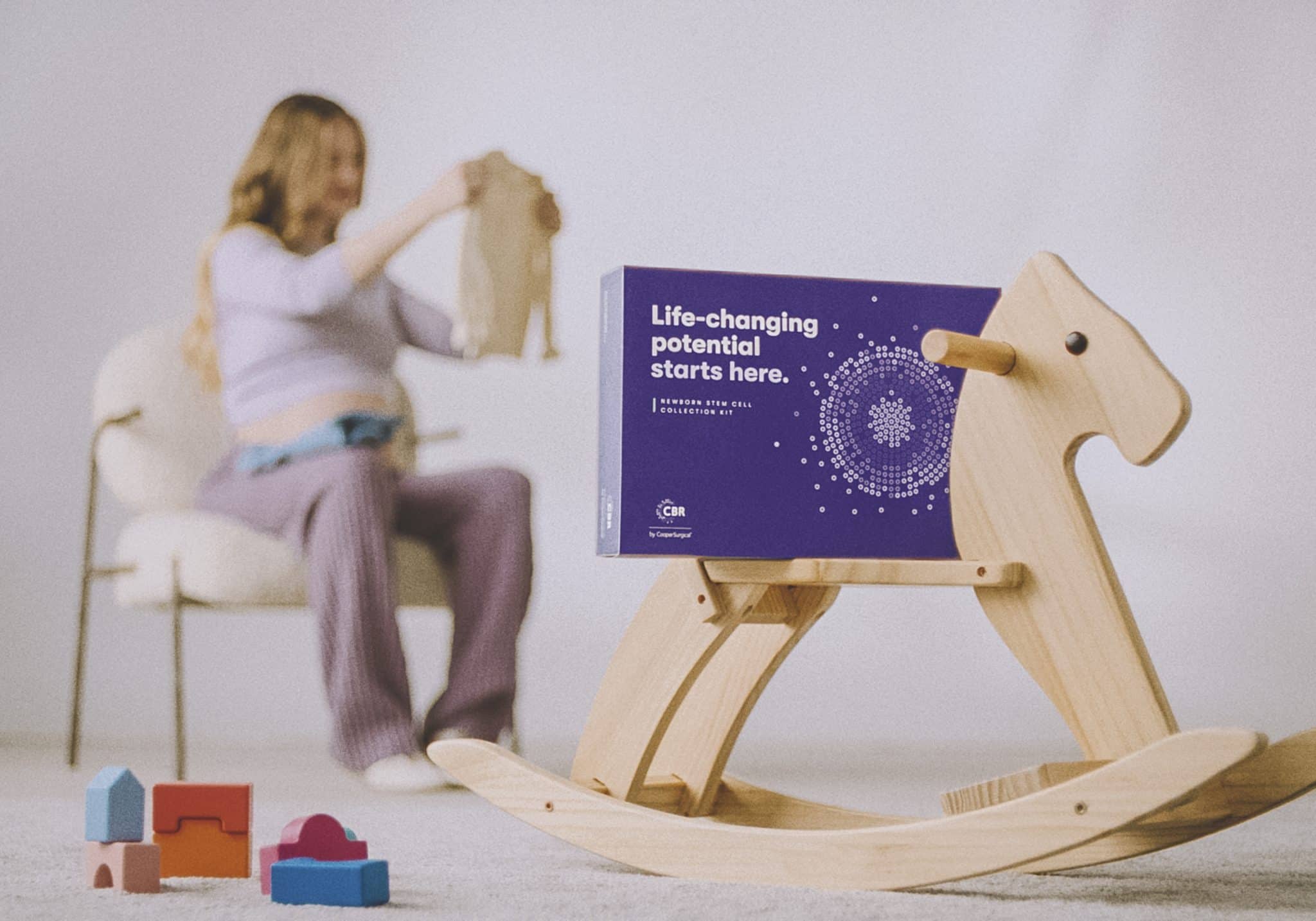
Cord Blood Registry (CBR®) is the world’s largest newborn stem cell company and a leader in cord blood and cord tissue banking. CBR has helped families preserve newborn stem cells for more than three decades and stores more stem cell samples than any other family cord blood bank. Through its state-of-the-art laboratory and commitment to scientific advancement, CBR supports both established transplant applications and ongoing research in regenerative medicine. The organization continues to educate families and healthcare providers about the potential of newborn stem cells and the evolving role they may play in future healthcare innovation.
LEARN MORE: