The Truth About Teeth Whitening: What Every Patient Should Know Before Brightening Their Smile

By Dr. Geith J. Kallas, Founder & CEO | Smile Makers Dental Center
A brighter smile has long been associated with health, confidence, and vitality.
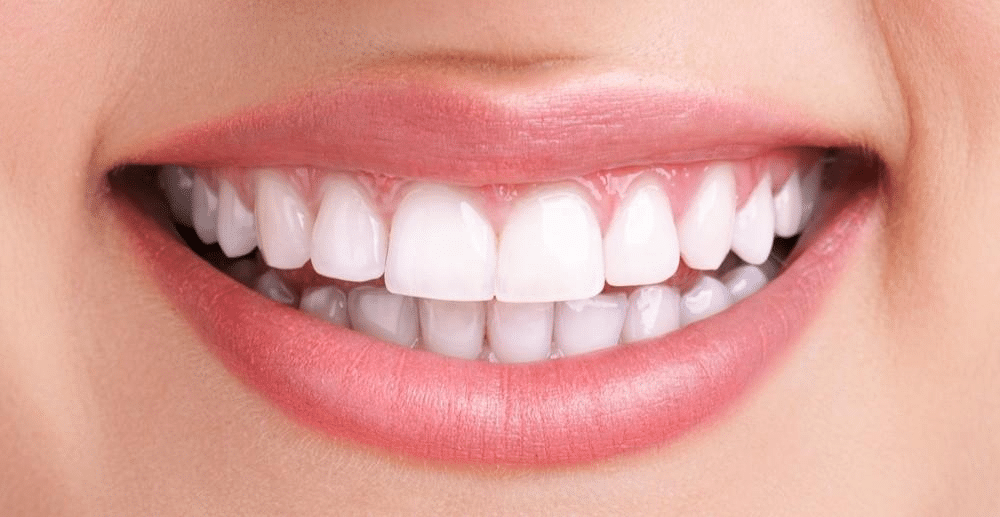
Not surprisingly, teeth whitening remains one of the most requested cosmetic dental treatments among adults. Yet despite its popularity, few dental procedures are surrounded by more misconceptions.
Today, patients are exposed to an endless stream of whitening products, social media influencers, and viral “hacks” promising dramatic results.
Unfortunately, not all whitening methods are created equal, and some can cause more harm than good.
As a dentist with decades of experience serving Northern Virginia families, I believe patients deserve facts—not trends.
Not All Tooth Discoloration Is the Same
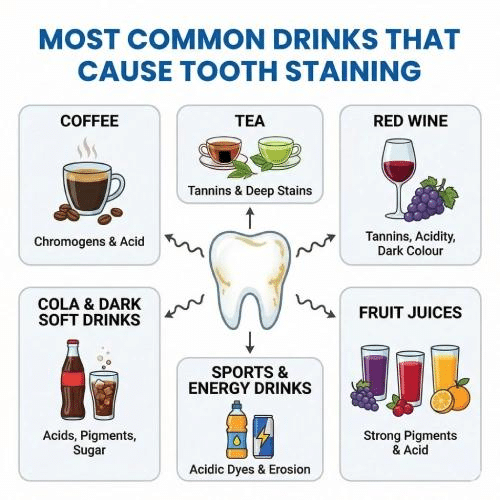
One of the biggest misconceptions about whitening is that every stain can be treated the same way.
In reality, teeth can become discolored for many reasons.
- Coffee
- Tea
- Red wine
- Tobacco
These often create surface stains.
Aging naturally darkens teeth over time as enamel becomes thinner.
Certain medications, trauma, and even genetics can also affect tooth color.
Understanding the cause of discoloration is important because it determines which treatment option is most likely to produce predictable results.
The Social Media Problem
Every few months, a new whitening trend appears online.
Charcoal powders, lemon juice treatments, abrasive scrubs, and homemade whitening mixtures often gain popularity because they promise quick and inexpensive results.
What many people don’t realize is that some of these methods can permanently damage enamel.
Enamel is the protective outer layer of the tooth.
Once it is lost, it cannot regenerate.
While certain trends may temporarily remove surface stains, they can also increase sensitivity and accelerate wear.
When evaluating any whitening advice found online, I encourage patients to ask one simple question:
Is this recommendation supported by science, or is it simply designed to attract views?
Professional Teeth Whitening Is Safe When Properly Managed
Professional whitening remains one of the safest and most effective cosmetic dental procedures available.
Modern whitening systems use carefully formulated ingredients that penetrate stains while preserving healthy tooth structure.
While temporary sensitivity can occur, it is generally short-lived and manageable.
More importantly, professional supervision allows us to evaluate the health of the teeth and gums before treatment begins.
Cavities, gum recession, cracked teeth, and existing dental restorations may require attention before whitening is recommended.
Why Over-the-Counter Products Produce Mixed Results
Many over-the-counter products can help reduce mild staining, particularly when used consistently.
However, they often produce less dramatic results than patients expect.
Additionally, whitening strips, toothpastes, and generic trays are not customized to the individual.
This can lead to:
- Uneven whitening
- Gum irritation
- Unrealistic expectations
- Disappointing results
For patients seeking a significant improvement in smile brightness, professional treatment typically delivers more predictable outcomes.
The Goal Should Be Natural—Not Artificial
One trend I have noticed in recent years is the pursuit of excessively white teeth.
The healthiest and most attractive smiles rarely resemble a sheet of white paper.
Natural teeth contain subtle variations in shade and translucency that create a youthful, authentic appearance.
The goal of cosmetic dentistry should never be to create an unnatural smile.
It should be to enhance what already exists while maintaining harmony with the patient’s facial features, age, and overall appearance.
A Healthy Smile Comes First
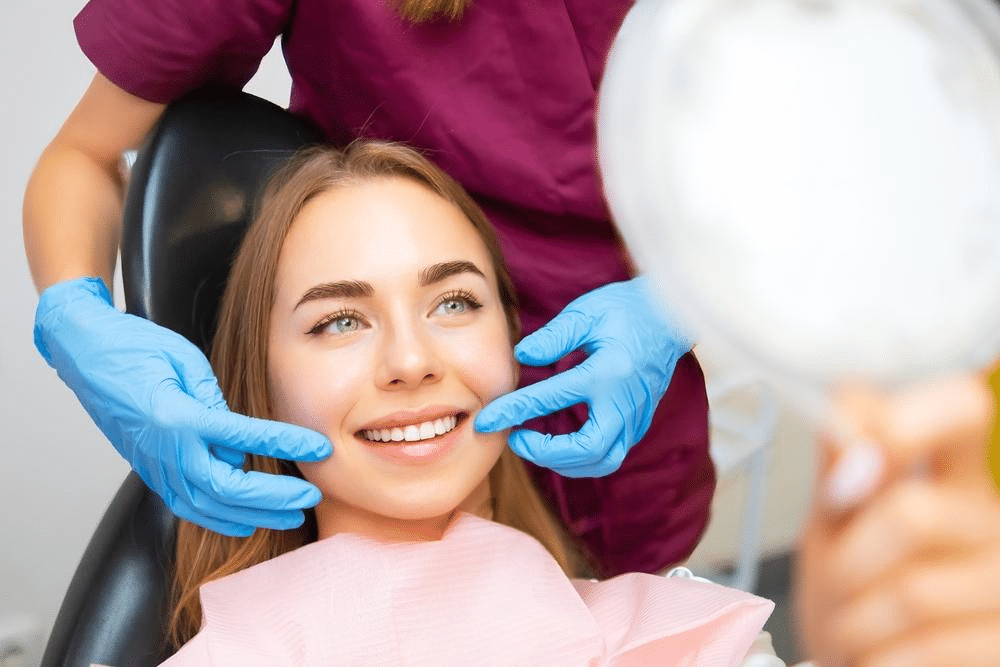
Before discussing whitening, I often remind patients that the foundation of an attractive smile is health.
Healthy gums, properly aligned teeth, routine preventive care, and excellent oral hygiene contribute far more to a beautiful smile than whitening alone.
In many cases, a professional cleaning and comprehensive examination reveal opportunities to improve a smile that go well beyond color.
Teeth whitening can be an excellent option for the right patient.
However, the best results occur when whitening is part of a larger commitment to oral health and wellness.
In an age of social media trends and instant solutions, the most effective approach remains surprisingly simple:
- Seek professional guidance.
- Prioritize oral health.
- Choose treatments supported by science rather than popularity.
Your smile deserves nothing less.
Frequently Asked Questions About Teeth Whitening
Can everyone whiten their teeth?
Not always. Your dentist should first evaluate your teeth and gums to determine whether whitening is the right option for you.
Are whitening strips safe?
They can be effective for mild staining, but because they aren’t customized, results vary and some patients may experience gum irritation or uneven whitening.
Does professional whitening damage enamel?
No. When properly managed by a dental professional, modern whitening systems are designed to preserve healthy tooth structure.
What causes teeth to become discolored?
Common causes include coffee, tea, red wine, tobacco, aging, certain medications, trauma, and genetics.