Why Electrolyte Balance is Key for Health and Performance

By Janine Frank, CEO & Co-Founder of 2 Health Nuts
Did you know that the majority of us are 5 grams short on sodium, 1 gram short on potassium, and 300 mg short on magnesium (drinkLMNT.com)? These numbers may sound alarming, especially regarding sodium. According to the FDA, we are advised to consume less than 2.3 grams of sodium per day. However, most people—especially those who are active and health-conscious—need more sodium in their diets to feel and perform their best.
Today’s article explains why electrolyte balance—sodium, potassium, and magnesium—is so important, debunking the old-school notion of eliminating salt, and how proper fluid balance can profoundly benefit your health.
A huge thank you to my friends at Drink LMNT, my go-to brand for daily electrolyte supplements, for providing the valuable information shared here.
Why Low-Salt Diets Are So Old-School
Low-salt diets originated from research in the 1960s, with guidelines published by the US Dietary Guidelines in the 1980s. These studies were not conducted on humans but in labs, offering an incomplete picture of actual sodium intake.
The long-standing belief is that reducing salt intake improves health and maintains healthy blood pressure. While high blood pressure is a key risk factor for dementia, stroke, and heart attacks, more recent studies challenge the effectiveness of low-sodium diets:
- 2011, JAMA: Individuals who restricted sodium had a 19% higher risk of cardiovascular death than those consuming 4–6 grams/day.
- 2018 Review: Little to no evidence that reducing salt prevents heart failure.
- 2020 Cochrane Collection: Salt restriction caused more negative side effects than it benefited blood pressure.
- Framingham Offspring Study: Reduced sodium intake actually increased blood pressure.
- Intersalt Study: No correlation between high blood pressure and sodium intake.
When you don’t get enough sodium, your body enters “sodium-retention mode”, retaining sodium and raising blood pressure (drinkLMNT.com).
While excessive sodium is harmful, most individuals need 4–6 grams/day, more if highly active or following diets like Keto. Ultra-processed foods and sedentary lifestyles impact health more than salt alone. The moral? Focus on whole, nutritious foods, movement, and proper fluid balance over low-salt diets.
Let’s Talk About Fluid Balance
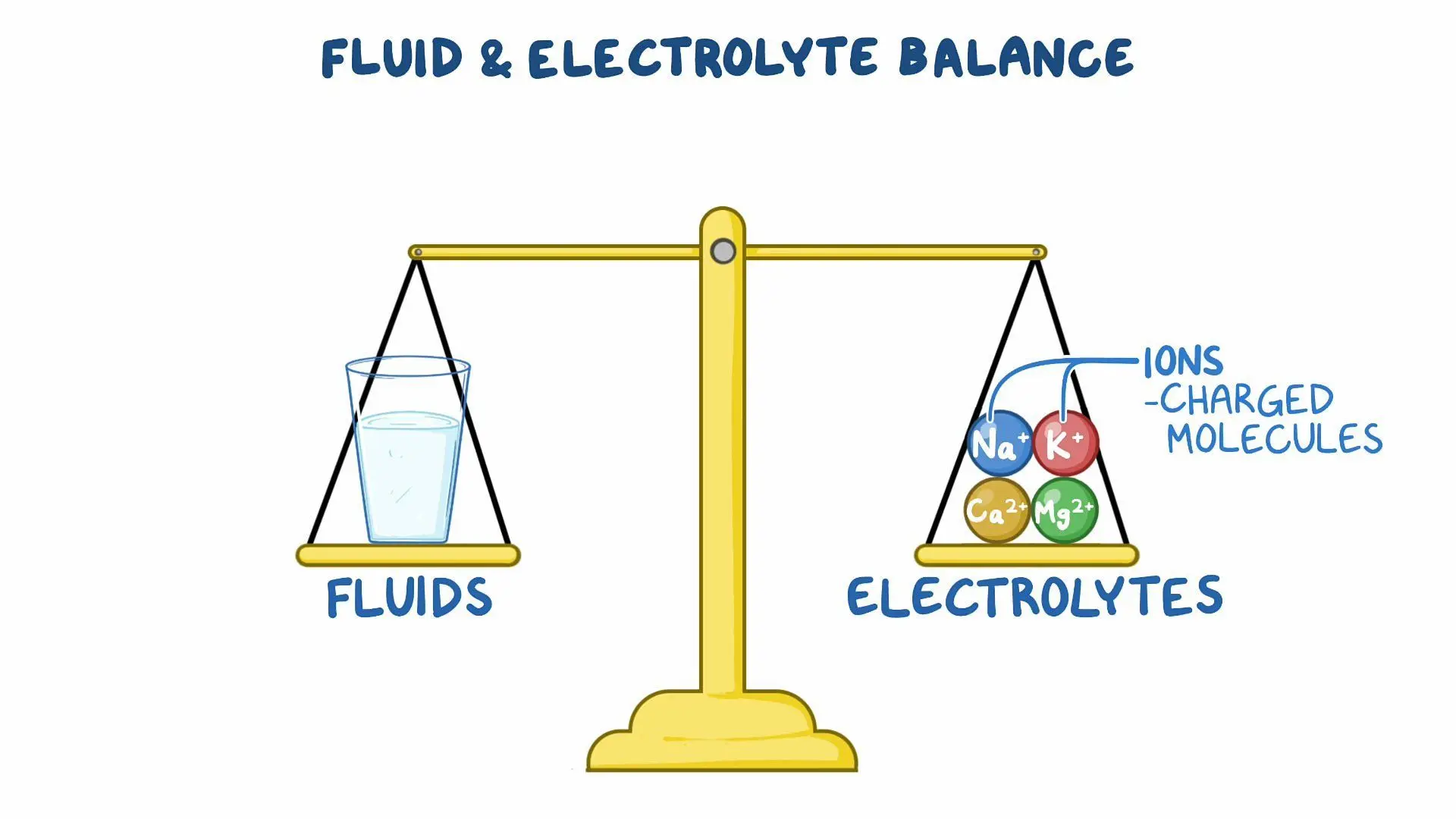
Proper hydration follows a simple equation: water + electrolytes = proper fluid balance. Most people drink enough water, but electrolytes require more attention.
- Sodium balances fluid outside cells.
- Potassium balances fluid inside cells.
Getting sufficient water and electrolytes keeps your body running at its best.
Hydration Benefits
Proper fluid and electrolyte balance offers powerful health benefits:

- Increased Cognitive Function: Sodium and potassium help brain cells, reducing “brain fog.”
- Improved Energy & Performance: Sodium deficiency often mimics low blood sugar. Replacing sodium lost in sweat is essential for athletes.
- Reduced Muscle Cramps & Headaches: Electrolyte deficiencies are common causes of cramps and headaches.
- Improved Blood Pressure: Adequate sodium and potassium can reduce hypertension risk. Sodium deficiency can increase blood pressure.
- Glowing Skin: Proper hydration prevents dry skin caused by electrolyte and nutrient deficiencies.
- Improved Digestion: Magnesium supports digestion and helps prevent constipation.
- Better Sleep: Magnesium promotes deeper sleep, while sodium helps maintain REM cycles.
Recommended Electrolyte Supplement
There are many electrolyte products on the market, but I trust Drink LMNT. Their formula includes:
- 1000 mg sodium
- 200 mg potassium
- 60 mg magnesium
- 0 mg sugar
Before starting any supplement, consult a healthcare professional. Individual needs vary based on lifestyle and goals.
Information courtesy of drinkLMNT.com.
You can also find this article on 2HealthNuts.com, where you can shop the products mentioned here.