Why Your Annual Eye Exam Is About More Than Just Clear Vision

By Dr. Nicole M. Ardura, O.D.
When most people think about an eye exam, they think about updating their glasses or contact lens prescription. In reality, a comprehensive eye exam is one of the most important preventive health evaluations you can schedule each year.
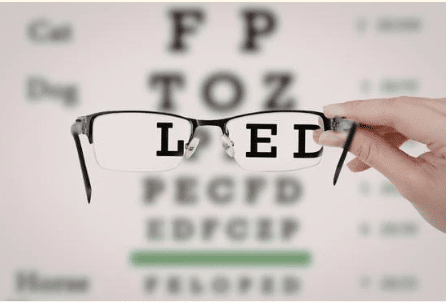
Your eyes are the only place in the body where blood vessels and nerves can be viewed directly—without surgery. This allows us to detect early signs of systemic conditions such as high blood pressure, diabetes, autoimmune disorders, and even certain neurological concerns—often before symptoms appear elsewhere.
For many families and professionals in our community, prolonged screen use is part of daily life. Extended time on digital devices reduces blinking and strains the visual system, contributing to dry eye, headaches, blurred vision, and neck tension. Simple habits—like the 20-20-20 rule (every 20 minutes, look 20 feet away for 20 seconds)—can significantly reduce discomfort.
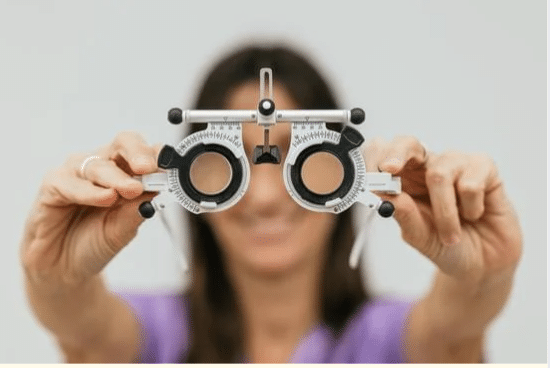
For children, vision concerns may not always present as complaints of blurry sight. Difficulty concentrating, avoiding reading, or frequent frustration with schoolwork can sometimes signal underlying visual issues. Early detection and intervention can make a meaningful difference in both academic performance and confidence.
We also routinely screen for conditions such as glaucoma, macular degeneration, and retinal disease—many of which develop silently. Annual exams allow us to monitor subtle changes and intervene early, when treatment is most effective.
Clear sight is important. Healthy eyes are essential. Prioritizing routine eye care protects not only your vision, but your long-term wellness and overall quality of life.